What Happens to Tree Roots After Stump Grinding? (7 Expert Answers Homeowners Need)
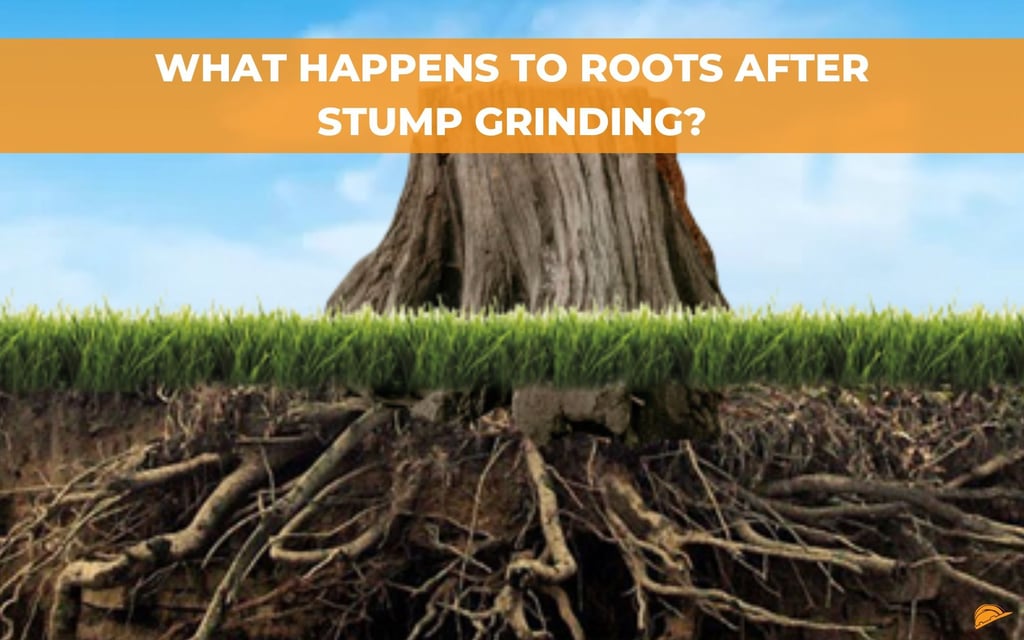
Understanding Tree Roots After Stump Grinding
When homeowners arrange stump grinding, one of the most common concerns is what happens underground afterward. Many people assume that once the stump is gone, the roots immediately disappear—but that’s not quite how nature works.
In areas like Nottingham, where gardens are often used for lawns, patios, and extensions, understanding how roots behave after stump grinding helps you plan your outdoor space with confidence.
What Is Stump Grinding?
Stump grinding is a mechanical process where a rotating cutting wheel grinds the visible tree stump down below ground level, typically 15–30 cm beneath the surface.
What Parts of the Tree Are Removed?
The stump above ground
The upper root flare
Some surface-level roots
The deeper root system remains in the soil but is no longer alive in most cases.
Do Tree Roots Die After Stump Grinding?
Natural Root Decay Explained
Once stump grinding removes the stump and cuts off nutrient flow, the remaining roots lose their energy source. Without photosynthesis from leaves, roots gradually die and begin to decompose naturally.
This decay process is completely normal and harmless in most residential settings.
How Long Do Roots Take to Break Down?
Root decomposition timelines vary based on:
Tree species
Root thickness
Soil conditions
Moisture levels
On average, smaller roots break down within 1–3 years, while larger roots may take 5–10 years to fully decompose.
Can Tree Roots Grow Back After Stump Grinding?
This is one of the most frequently asked questions—and the answer depends on the tree type.
Species That May Resprout
Certain trees, such as willow, poplar, or sycamore, can attempt regrowth if grinding is shallow or incomplete. New shoots may appear around the old root system.
How Professionals Prevent Regrowth
Professional stump grinding:
Removes the root crown completely
Grinds deeper than DIY machines
Can include eco-friendly root inhibitors if needed
This dramatically reduces the chance of regrowth.
Are Old Tree Roots Dangerous Underground?
Impact on Soil and Foundations
In most cases, decaying roots do not pose a risk to foundations. In fact, once roots die, they shrink rather than expand.
Risks to Patios, Paths, and Driveways
Very large roots near hard landscaping may eventually leave small voids as they rot. Professionals often assess this risk before grinding and advise on soil backfilling if needed.
What Happens to the Ground After Stump Grinding?
Wood Chips and Soil Settlement
After grinding, the hole is filled with wood chips mixed with soil. Over time, this material settles as decomposition continues.
Preparing the Area for Grass or Plants
For best results:
Remove excess wood chips
Add fresh topsoil
Reseed or turf the area
Avoid planting trees in the same spot immediately, as decomposing roots temporarily reduce nitrogen levels.
Professional vs DIY Stump Grinding Outcomes
Why Professional Grinding Is More Effective
DIY machines often:
Don’t grind deep enough
Miss lateral roots
Leave regrowth-prone material behind
Professional stump grinding ensures:
Deeper removal
Cleaner finish
Long-term peace of mind
FAQs About Tree Roots After Stump Grinding
1. Will tree roots rot underground?
Yes, roots naturally rot once the stump is removed.
2. Can roots damage pipes after stump grinding?
Dead roots no longer seek water, so pipe damage risk is minimal.
3. Should roots be fully removed?
Not usually—grinding is sufficient for residential properties.
4. Can I build over old tree roots?
Yes, with proper assessment and soil preparation.
5. Will grass grow over old roots?
Yes, once the ground is levelled and topped with soil.
6. Is stump grinding environmentally friendly?
Yes, it avoids chemicals and allows natural decomposition.
Final Thoughts for Homeowners
Understanding what happens to tree roots after stump grinding helps homeowners make informed decisions about landscaping, safety, and future projects. In most cases, roots decay naturally without causing issues, making stump grinding a practical, cost-effective, and environmentally responsible solution.

Service Areas
We proudly cover tree stump removal in Nottingham, stump grinding in Derbyshire, stump removal in Leicester, and stump grinding in Loughborough. If you live in the East Midlands and want a stump gone, we’re the team to call.
© 2025. All rights reserved.
Take Back Your Garden Today
Don’t let that stump spoil your outdoor space for another season. With Weedons Tree Stump Removal, you get fast, reliable stump grinding and removal from a team you can trust. Get in touch now for your free, no-obligation quote and reclaim your garden today
Real Customer Feedback